



Table of Contents
Building Information Modeling (BIM) has transformed the architecture, engineering, and construction (AEC) industry by enabling teams to collaborate more efficiently and manage complex building data throughout a project’s lifecycle. However, two terms that are often confused in BIM workflows are BIM Coordination and BIM Management. While both play essential roles in successful BIM implementation, they serve different purposes and operate at different levels of project execution.
Understanding the distinction between BIM coordination and BIM management helps project stakeholders define responsibilities clearly, improve collaboration, and ensure smoother project delivery.
What Is BIM Coordination?
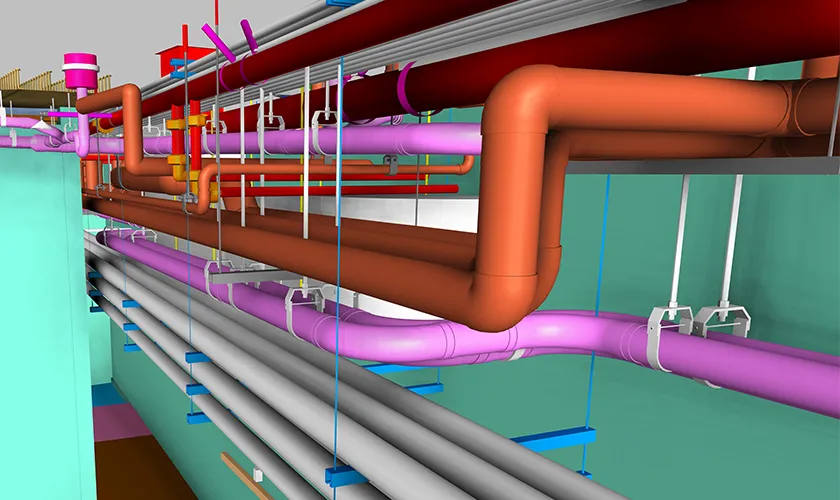
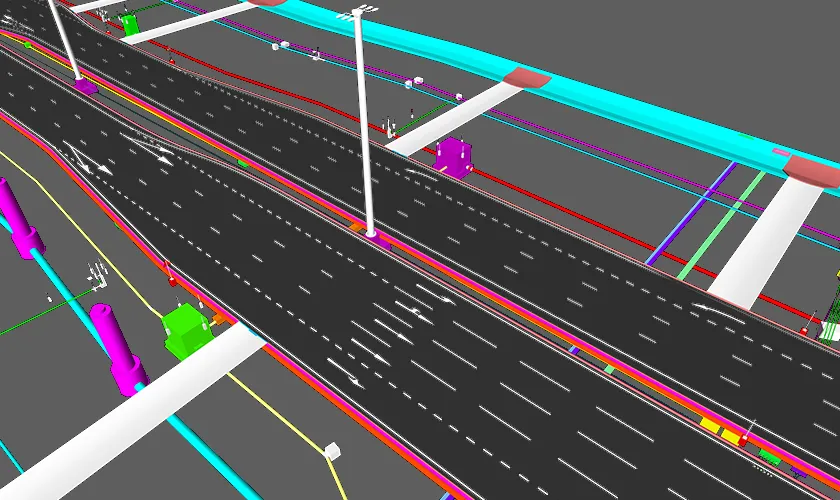
BIM Coordination focuses on the technical alignment of different building systems within a digital model. In most construction projects, multiple disciplines such as architecture, structural engineering, mechanical, electrical, and plumbing (MEP) contribute their own models. BIM coordination ensures that these models work together without conflicts.
The primary objective of BIM coordination is to identify and resolve clashes between different building elements before construction begins. By integrating models from various disciplines, BIM coordinators detect issues such as overlapping ducts and beams, conflicting piping routes, or spatial constraints that could cause costly delays during construction.
BIM coordination typically involves the use of specialized software tools such as Navisworks, BIM 360, or similar coordination platforms. These tools allow project teams to run clash detection, visualize model interactions, and conduct coordination meetings where conflicts are reviewed and resolved.
Key responsibilities of BIM coordination include:
• Integrating models from multiple disciplines
• Running clash detection and identifying conflicts
• Organizing coordination meetings with project teams
• Tracking and resolving model clashes
• Ensuring spatial compatibility between building systems
Through effective BIM coordination, construction teams can reduce rework, minimize delays, and improve construction accuracy.
What Is BIM Management?
BIM Management operates at a higher strategic level compared to coordination. While coordination focuses on resolving technical model conflicts, BIM management governs the overall BIM process, standards, and workflows across the project.
A BIM manager is responsible for developing the BIM execution plan (BEP), defining modeling standards, ensuring compliance with project requirements, and overseeing how BIM is used throughout the project lifecycle. This role ensures that all project participants follow consistent BIM protocols and that the BIM process aligns with the client’s goals.
BIM management is not limited to model coordination; it also includes information management, workflow control, and quality assurance across the entire BIM environment.
Typical responsibilities of BIM management include:
• Developing the BIM Execution Plan (BEP)
• Defining modeling standards and guidelines
• Managing project data environments and collaboration platforms
• Supervising BIM coordinators and model authors
• Ensuring compliance with client BIM requirements
• Monitoring model quality and information accuracy
BIM management ensures that BIM processes are implemented effectively across the entire project, from design through construction and even into facility management.
Key Differences Between BIM Coordination and BIM Management
Although both roles are interconnected, BIM coordination and BIM management differ in scope, responsibilities, and project impact.
Scope of Work
BIM coordination focuses on resolving model conflicts between disciplines, while BIM management governs the overall BIM framework, processes, and standards used on the project.
Level of Responsibility
BIM coordinators typically operate at the technical level within project teams, working closely with architects, engineers, and contractors. BIM managers operate at a strategic level, overseeing the entire BIM workflow and ensuring compliance with project goals.
Focus Area
The primary focus of BIM coordination is clash detection and model integration. BIM management focuses on project governance, data management, and BIM implementation strategy.
Project Impact
BIM coordination improves construction accuracy by resolving design conflicts early. BIM management ensures that BIM processes run smoothly and consistently across all teams involved in the project.
How BIM Coordination and BIM Management Work Together
Successful BIM projects rely on strong collaboration between BIM management and BIM coordination teams. BIM managers establish the framework, define standards, and oversee the implementation of BIM processes, while BIM coordinators execute coordination activities within that framework.
For example, the BIM manager may define clash detection rules, model naming conventions, and file-sharing protocols. BIM coordinators then apply those standards when integrating discipline models and conducting coordination reviews.
This collaborative approach ensures both strategic oversight and technical execution, enabling projects to maintain consistency while resolving practical design challenges.
Why Both Roles Are Essential for Modern Construction
As construction projects become more complex, BIM coordination and BIM management have become essential roles for maintaining efficiency and reducing project risk. Without coordination, projects may face costly clashes and rework mep during construction. Without management, BIM workflows can become inconsistent, leading to data confusion and collaboration issues.
By combining structured BIM management with effective BIM coordination, project teams can streamline design collaboration, improve construction planning, and deliver projects with greater accuracy and predictability.
Conclusion
BIM coordination and BIM management serve complementary but distinct roles within the BIM ecosystem. BIM coordination focuses on resolving model conflicts and aligning building systems, while BIM management establishes the strategy, standards, and governance needed to support BIM workflows across the entire project.
Understanding the difference between these roles helps organizations assign responsibilities effectively and maximize the benefits of Building Information Modeling. When implemented together, BIM coordination and BIM management create a more collaborative, efficient, and data-driven construction environment.