



Table of Contents
Structural integrity sounds like a heavy engineering term, but at its core, it’s pretty simple. It’s about making sure buildings, bridges, and infrastructure can safely do what they’re supposed to do, not just on day one, but for decades.
From residential buildings to large-scale commercial projects, structural integrity ensures a structure can support its own weight, handle external loads, resist environmental stress, and avoid deformation or collapse over time. When structural integrity is compromised, the consequences can range from costly repairs to complete structural failure.
In modern construction, maintaining structural integrity is no longer just about strong materials or conservative designs. It requires smart engineering, accurate data, ongoing inspections, and increasingly, digital tools like BIM services that allow teams to identify risks early and plan smarter.
What Is Structural Integrity?
Structural integrity is an engineering principle that ensures a structure or structural component is fit for purpose under normal operating conditions and remains safe even if conditions exceed the original design assumptions.
This means the structure must:
- Support its own weight and applied loads
- Resist cracking, bending, or excessive deformation
- Perform reliably throughout its intended lifespan
Structural integrity does not end once construction is complete. Over time, structures are exposed to weather, vibration, usage changes, and material aging. That’s why inspection, maintenance, and performance monitoring are just as important as good design.
What Are the Main Causes of Structural Failure?
Structural failure rarely comes from a single mistake. It usually results from a combination of design, material, environmentfval, and operational factors.
1. Weak Structural Design
A structure may simply not be strong enough to handle the loads it experiences. This often happens due to poor geometric design, underestimated loads, or incorrect material selection during early planning stages.
2. Structural Deterioration Over Time
Materials naturally degrade. Corrosion, fatigue, wear, creep, and rot slowly weaken structural components. Fatigue failures are especially dangerous because they often start as small cracks in high-stress areas and grow silently until sudden failure occurs.
3. Manufacturing and Construction Errors
Using incorrect materials, poor workmanship, or components that fall outside tolerance limits can severely compromise structural integrity. Even a well-designed structure can fail if construction standards are not followed precisely.
4. Environmental and External Conditions
Environmental factors like temperature changes, moisture, seismic activity, wind loads, and flooding play a major role. If these factors are not properly accounted for during design, the structure may be vulnerable from day one.
5. Inappropriate Operational Use
Structures are designed for specific uses. When load limits are exceeded, usage changes without evaluation, or equipment is added without analysis, the structure may be pushed beyond safe limits.
How to Ensure Structural Integrity in Construction
Ensuring structural integrity is not a one-time task. It’s a process that starts during planning and continues throughout the life of the structure.
1. Smart Design with Safety Margins
Engineers apply conservative safety factors to account for uncertainties in materials, loads, and future conditions. These margins are critical in preventing failure when real-world conditions differ from assumptions.
2. Proper Material Selection and Testing
Materials must meet performance standards for strength, durability, and environmental resistance. Testing ensures materials behave as expected under stress and over time.
3. Load and Stress Analysis
Understanding how forces move through a structure helps engineers identify high-stress zones and potential failure points. Modern analysis tools allow for more accurate modeling than ever before.
4. Regular Inspections and Maintenance
No structure is maintenance-free. Periodic inspections help identify early signs of cracking, corrosion, settlement, or fatigue before they become serious problems.
How Structural Engineering Reduces the Risk of Failure
Structural engineering plays a critical role in preventing failures that can cause injury, loss of life, or massive financial damage.
Engineers reduce risk by:
- Designing structures with redundancy so one failure does not lead to collapse
- Following building codes and engineering standards rigorously
- Accounting for extreme but realistic load scenarios
- Planning for long-term performance, not just initial strength
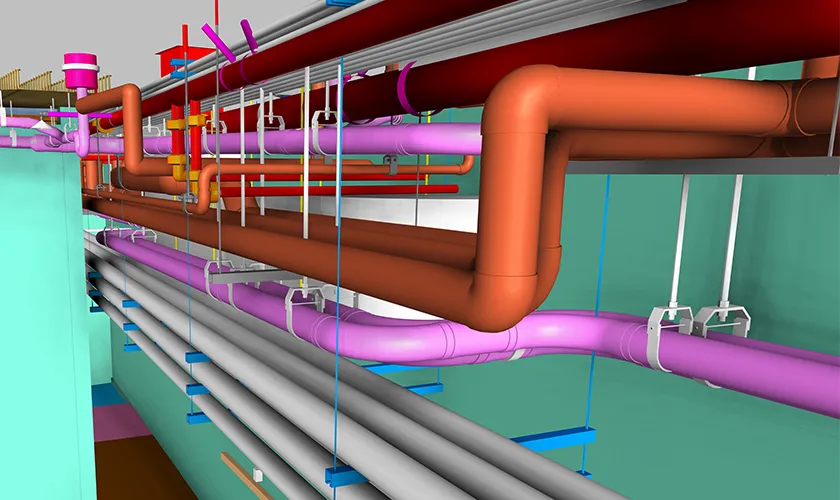
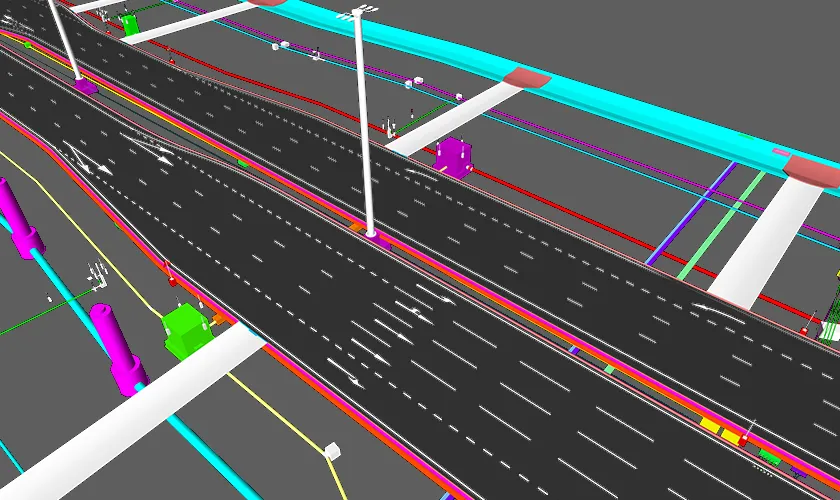
This is where BIM services have become especially valuable. By using Building Information Modeling, engineers and project teams can simulate loads, visualize structural behavior, coordinate across disciplines, and identify clashes or weaknesses before construction even begins.
Firms like Endeion leverage BIM-driven structural workflows to support better decision-making, reduce design errors, and improve structural reliability across complex infrastructure and construction projects.
Conclusion
Structural integrity is the backbone of safe, durable, and reliable construction. It goes far beyond strong materials or good drawings. It requires thoughtful design, realistic assumptions, quality construction, and ongoing evaluation throughout a structure’s life.
As projects become more complex and performance expectations increase, integrating engineering expertise with digital tools like BIM is no longer optional. It’s how modern teams reduce risk, extend structural lifespan, and prevent costly or dangerous failures.
If you’re working on a project where accuracy, coordination, and long-term performance matter, partnering with a BIM-focused engineering provider like Endeion can help ensure structural integrity is built in, not patched later.
FAQs
What is the simplest definition of structural integrity?
Structural integrity is a structure’s ability to carry expected loads, remain stable, limit unacceptable deformation, and continue performing safely for its intended life. It depends on design, materials, connections, construction quality, environmental exposure, use, maintenance, and condition over time.
What is the difference between structural integrity and structural strength?
Structural strength is one part of structural integrity. Strength describes resistance to forces without failure. Structural integrity also includes stiffness, stability, durability, redundancy, serviceability, construction quality, and the long-term condition of the complete structural system.
Why is structural integrity monitoring important for existing buildings?
Monitoring helps teams identify changes in movement, strain, vibration, cracking, corrosion, settlement, or other performance indicators. It can reveal trends between inspections, support risk-based maintenance, and help determine whether a defect is stable, progressing, or responding to repair.
Can BIM identify structural failure?
BIM can help teams coordinate information, visualize conditions, detect spatial clashes, document modifications, and connect inspection data to specific locations. It does not independently determine structural capacity or replace an engineer’s assessment, testing, monitoring, or field verification.