Table of Contents
The construction industry in Texas continues to grow rapidly, with new commercial buildings, residential developments, healthcare facilities, and infrastructure projects being planned across the state. As projects become larger and more complex, construction teams face increasing challenges related to coordination, budgeting, scheduling, and managing project information.
Traditional construction methods often rely on separate drawings, disconnected workflows, and manual coordination between architects, engineers, contractors, and other stakeholders. These challenges can lead to design conflicts, delays, increased costs, and rework during construction.
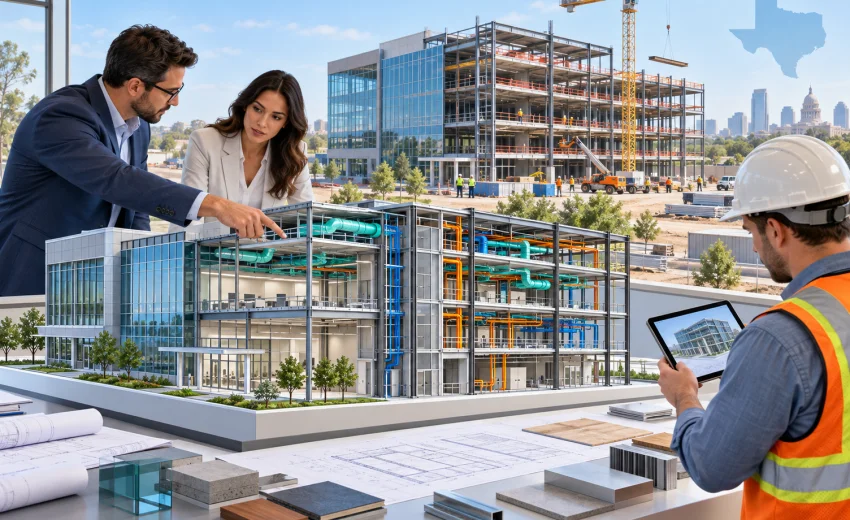
This is where BIM services in Texas are becoming an essential solution for businesses looking to improve project planning and execution. Building Information Modeling (BIM) provides a digital representation of a building that allows project teams to visualize, coordinate, and manage construction information more effectively.
By using BIM technology, businesses can improve collaboration, identify potential issues before construction begins, and make better decisions throughout the project lifecycle. From design development to facility management, BIM services help construction teams create more accurate and efficient workflows.
Why Businesses Choose BIM Services in Texas for Better Construction Planning
Businesses across Texas are adopting BIM services because they provide greater visibility, improved coordination, and better control over construction projects. BIM allows teams to move beyond traditional 2D drawings and work with intelligent digital models containing valuable project information.
Whether it is a large commercial development in Dallas, a healthcare project in Houston, or a complex infrastructure project in Austin, BIM helps teams manage construction challenges with greater accuracy.
Improved Project Visualization Through BIM Modeling Services in Texas
One of the biggest advantages of BIM is the ability to visualize a project before construction begins. Traditional drawings can sometimes make it difficult for stakeholders to understand how different building components will come together.
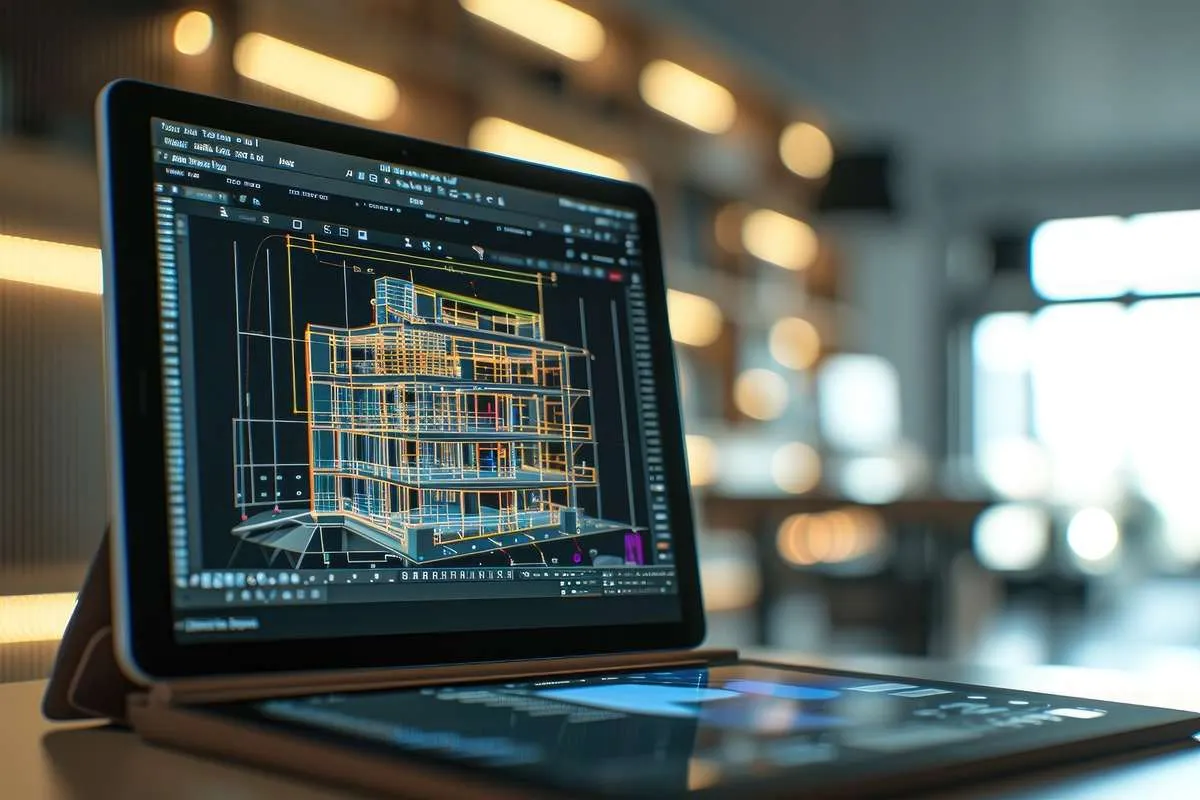
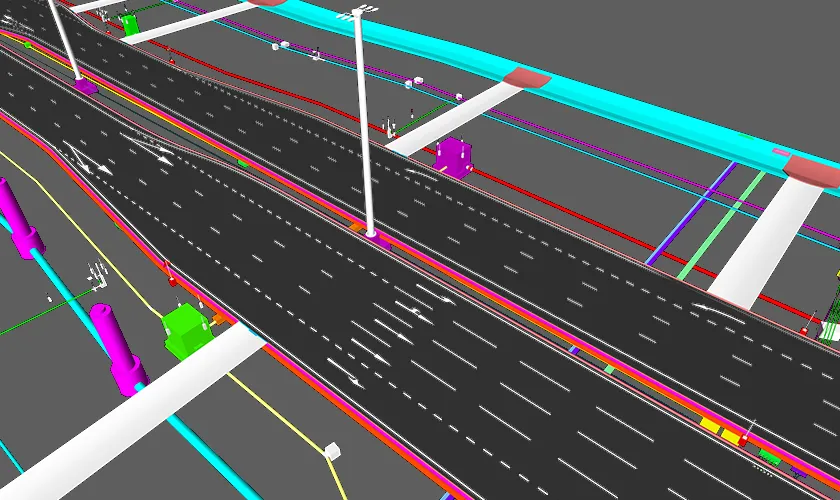
With BIM modeling services, businesses can create detailed 3D digital models that represent:
- Architectural elements
- Structural components
- Mechanical systems
- Electrical systems
- Plumbing networks
- Building materials
These models allow architects, engineers, contractors, and owners to better understand the project design before any physical work begins.
Improved visualization helps teams identify design concerns early, evaluate different options, and make informed decisions during the planning phase.
Better Collaboration Between Project Teams
Large construction projects often involve multiple teams working simultaneously. Architects, engineers, contractors, consultants, and owners need access to accurate and updated project information to avoid communication gaps.
BIM creates a centralized digital environment where project stakeholders can collaborate more effectively.
- With BIM coordination, teams can:
- Share updated project information
- Review design changes
- Coordinate different disciplines
- Identify conflicts early
- Improve communication between teams
This collaborative approach reduces misunderstandings and helps ensure that everyone is working with the same project information.
Reduced Construction Errors and Rework
Construction errors can significantly impact project timelines and budgets. Design conflicts discovered during construction often require modifications, additional labor, and material adjustments.
BIM services help businesses identify potential problems before construction begins through clash detection and coordination processes.
For example, BIM can identify conflicts between:
- HVAC systems and structural elements
- Plumbing layouts and electrical systems
- Building components and architectural designs
By resolving these issues during the design stage, construction teams can reduce costly rework and avoid unnecessary delays.
More Accurate Cost Planning and Budget Control
Managing construction costs is one of the biggest challenges businesses face. Unexpected changes, material adjustments, and design conflicts can increase project expenses.
BIM helps improve cost planning by providing accurate information about building components, materials, and quantities.
Through BIM-based quantity estimation, businesses can:
- Improve budgeting accuracy
- Estimate material requirements
- Reduce unexpected expenses
- Evaluate design alternatives
This allows project teams to make better financial decisions before construction begins.
Improved Project Scheduling and Time Management
Construction delays can affect profitability and project delivery timelines. BIM supports better scheduling by helping teams understand project sequences and identify potential challenges early.
BIM models can be integrated with construction schedules to create a more detailed view of project progress.
Benefits include:
- Better workflow planning
- Improved resource management
- Easier progress tracking
- Early identification of scheduling conflicts
This helps businesses complete projects more efficiently while maintaining quality standards.
Enhanced MEP Coordination for Complex Building Projects
Mechanical, electrical, and plumbing systems are some of the most complex components of modern buildings. Poor coordination between these systems can create major construction challenges.
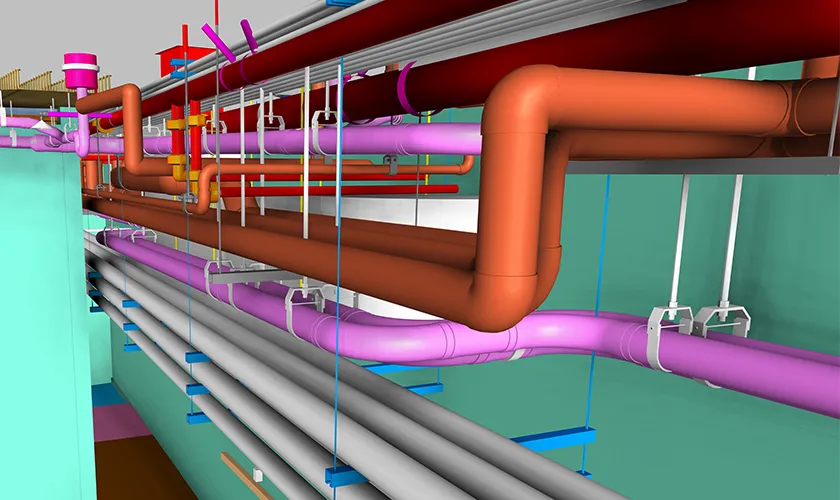
MEP BIM services in Texas help teams design and coordinate these systems within a shared digital model.
MEP BIM coordination allows teams to:
- Detect system clashes
- Optimize equipment placement
- Improve installation planning
- Reduce field conflicts
For commercial buildings, hospitals, industrial facilities, and other complex projects, MEP coordination plays a critical role in improving construction efficiency.
Support for Sustainable Construction Practices
Sustainability has become an important consideration for many construction projects in Texas. Businesses are looking for ways to reduce waste, improve energy efficiency, and create environmentally responsible buildings.
BIM supports sustainable planning by allowing teams to analyze building performance and evaluate different design options.
BIM can help with:
- Energy analysis
- Material planning
- Resource optimization
- Sustainable design decisions
By evaluating these factors early, businesses can create more efficient and environmentally responsible buildings.
Better Management of Existing Buildings Through Scan to BIM Services
Many businesses are working with existing structures that require renovation, expansion, or modernization. Accurate documentation of existing conditions is essential for successful renovation projects.
Scan to BIM services help convert existing building data into accurate digital models using laser scanning and point cloud technology.
These services allow businesses to:
- Capture existing building conditions
- Create accurate 3D models
- Support renovation planning
- Reduce measurement errors
For Texas businesses managing older buildings or retrofit projects, Scan to BIM provides valuable information for better decision-making.
Why Texas Businesses Benefit From Partnering With BIM Experts
Implementing BIM requires specialized knowledge, technical expertise, and experience with different construction workflows. Working with an experienced BIM services provider helps businesses maximize the value of BIM technology.
A professional BIM partner can provide:
- 3D BIM modeling
- BIM coordination
- MEP BIM services
- Clash detection
- Construction documentation
- Scan to BIM solutions
Companies like Verbsz Marketing help businesses improve their digital visibility, while specialized BIM providers such as Endeion support construction teams with advanced BIM solutions designed for modern project requirements.
Conclusion
As construction projects in Texas continue to become more complex, businesses need smarter ways to plan, coordinate, and execute their projects. BIM services in Texas provide construction teams with the tools needed to improve collaboration, reduce errors, control costs, and make better decisions throughout the project lifecycle.
From BIM modeling and MEP coordination to Scan to BIM solutions, businesses can use digital construction technology to improve efficiency and achieve better project outcomes.
By adopting BIM, Texas businesses can create more accurate workflows, reduce construction challenges, and build a stronger foundation for future growth in the evolving construction industry.

